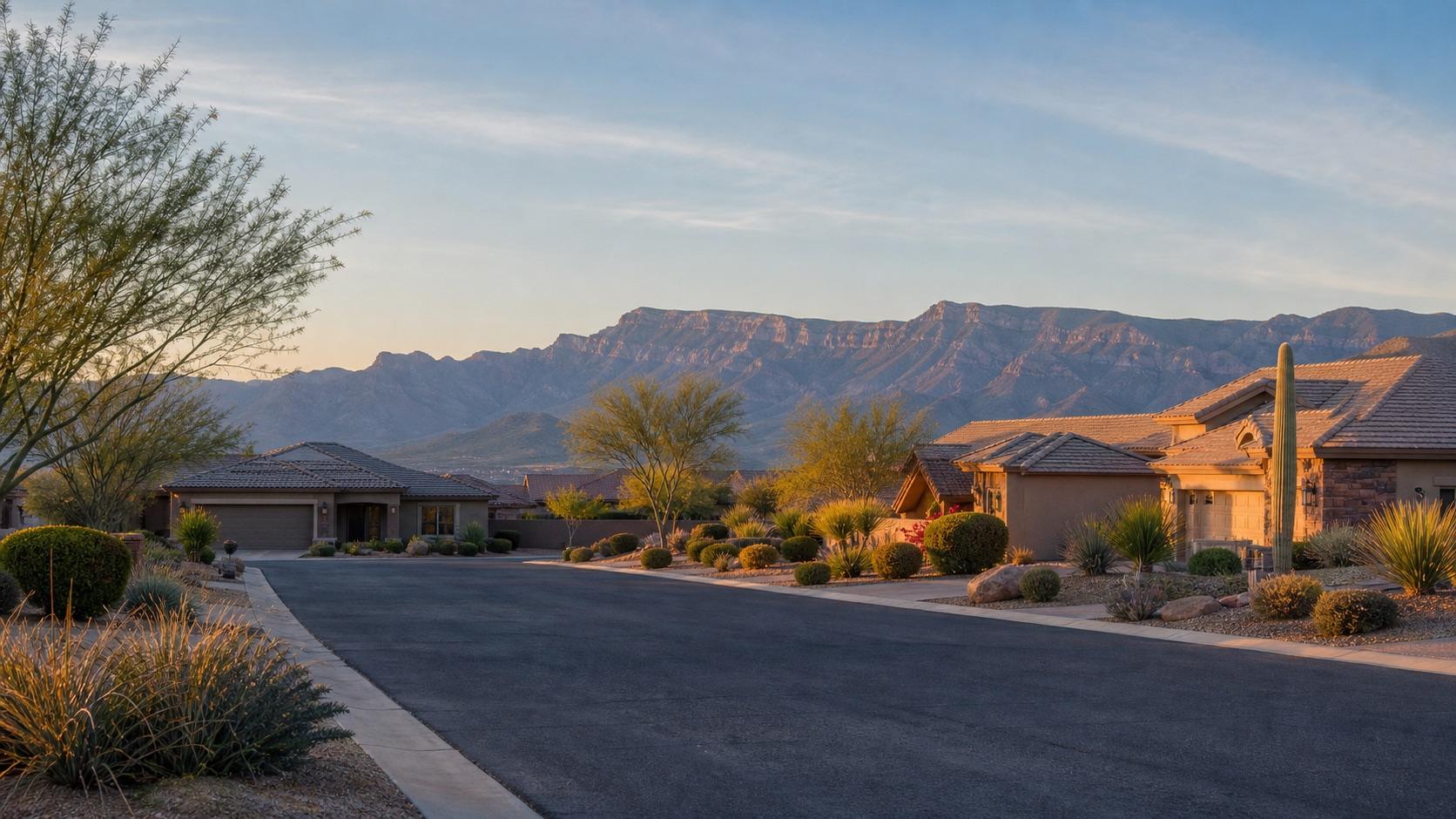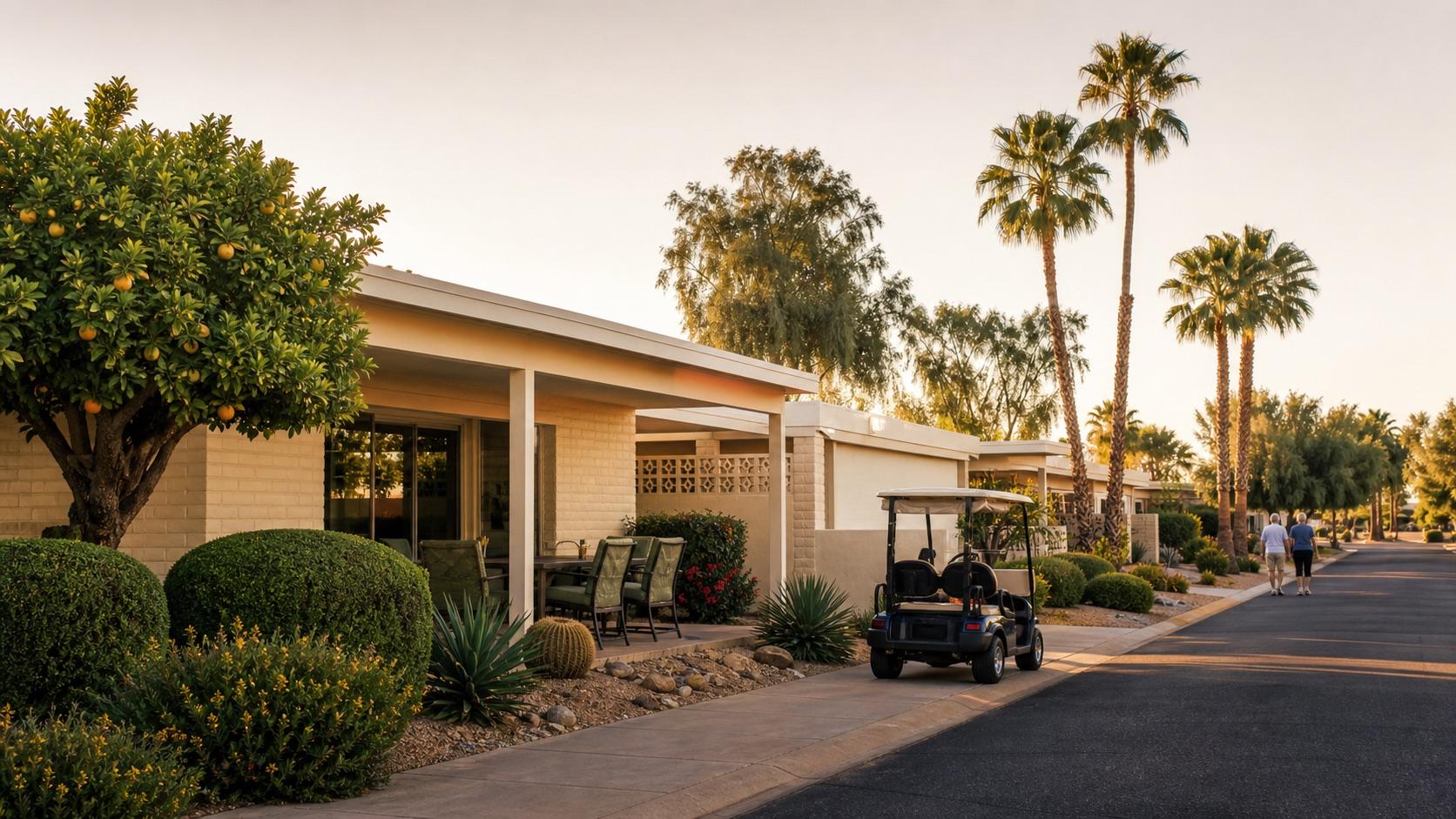

The useful comparison is address versus address
Peoria and Surprise are both geographically varied. North Peoria near the Lake Pleasant corridor functions differently from established areas near Loop 101, while eastern Surprise differs from development near Loop 303 and farther northwest. Start by dividing each city into practical search zones based on exact routes and housing types. Comparing citywide stereotypes will hide the tradeoffs that actually affect a move.
Compare transportation from real destinations
Map work, family, healthcare, airport, and recreation trips from candidate areas at realistic times. Note access to Loop 101, Loop 303, US 60, Bell Road, Lake Pleasant Parkway, and other routes that matter to your week. Do not publish or rely on one universal commute time; traffic, origin, destination, construction, and event schedules all change the result.
Separate resale and new-construction searches
Both cities offer resale neighborhoods and newer development, but inventory, builder activity, fees, lot choices, and construction timelines change. Compare resale homes on condition and improvements. Compare new homes on the finished price, contract, public report, future phases, and surrounding development. A model-home visit is marketing; the final homesite and documents control the decision.
Evaluate recreation and services by proximity
Peoria’s north side provides access toward Lake Pleasant, while both cities publish parks, recreation facilities, and public-program information. Decide which specific facilities you expect to use, then measure access from the exact home. Do the same for grocery, healthcare, dining, and other services. A longer list of amenities is not automatically more useful than convenient access to the few you value.
Review growth through municipal sources
The cities publish planning, zoning, maps, and development information. Use those sources to investigate vacant parcels, road projects, commercial plans, and future phases near a property. Plans can change, but official records are more reliable than assumptions. For subdivisions, read the Arizona public report and any community governing documents, assessments, and disclosures.
Let current properties decide the final round
After defining equivalent zones in both cities, compare available properties using one scorecard: complete cost, condition, route, lot, association structure, planned surroundings, and move timing. Visit finalists more than once and complete property-specific due diligence. The outcome may be a particular house rather than a permanent conclusion that one entire city is better.
Sources and further reading
Primary and authoritative references used to develop and review this guide:
Important context
This general information is not legal, tax, lending, appraisal, inspection, or financial advice. Rules, costs, inventory, and market conditions can change. Verify transaction-specific information with the appropriate licensed or authoritative source.