Begin with three genuinely different location patterns
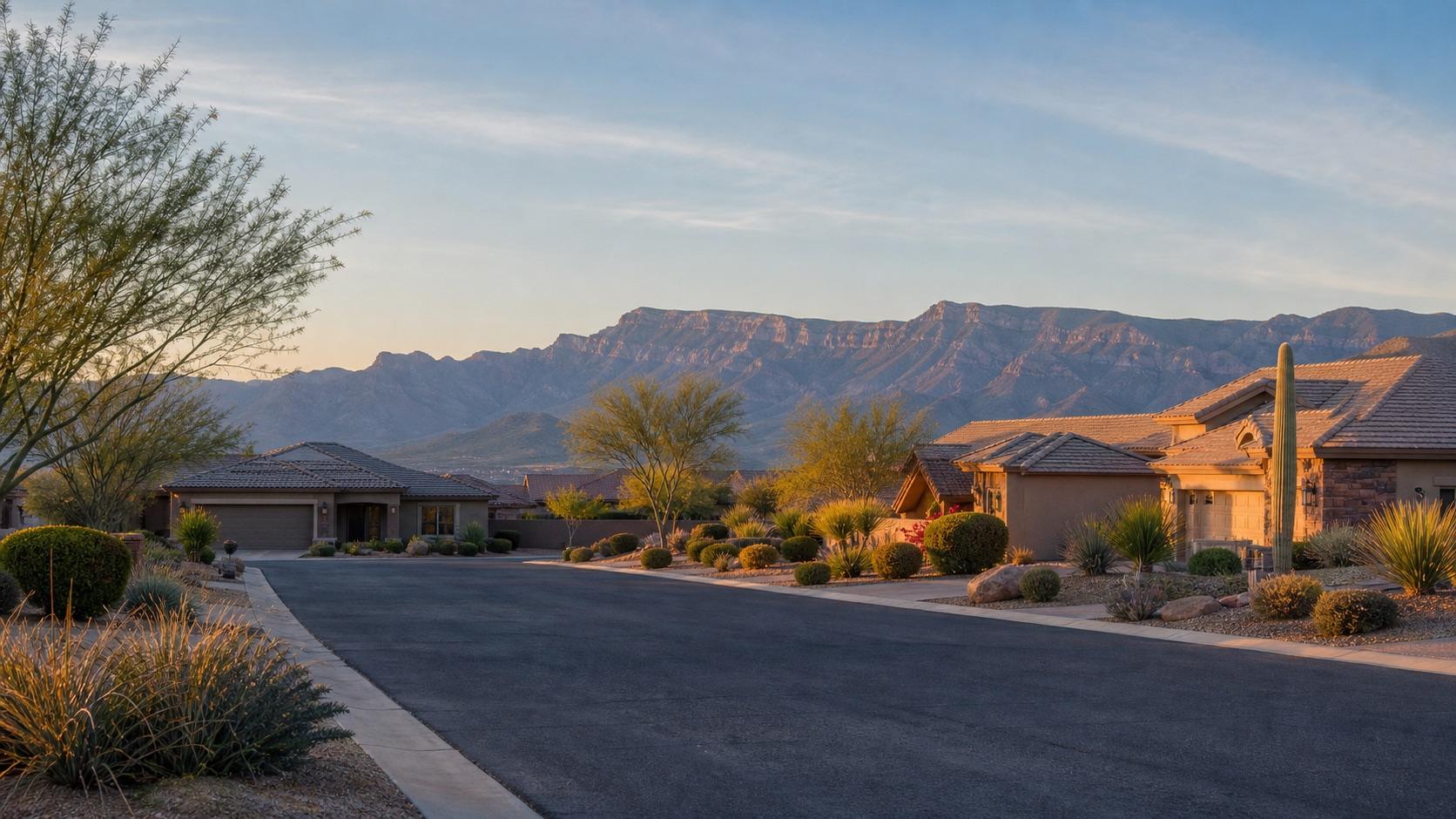
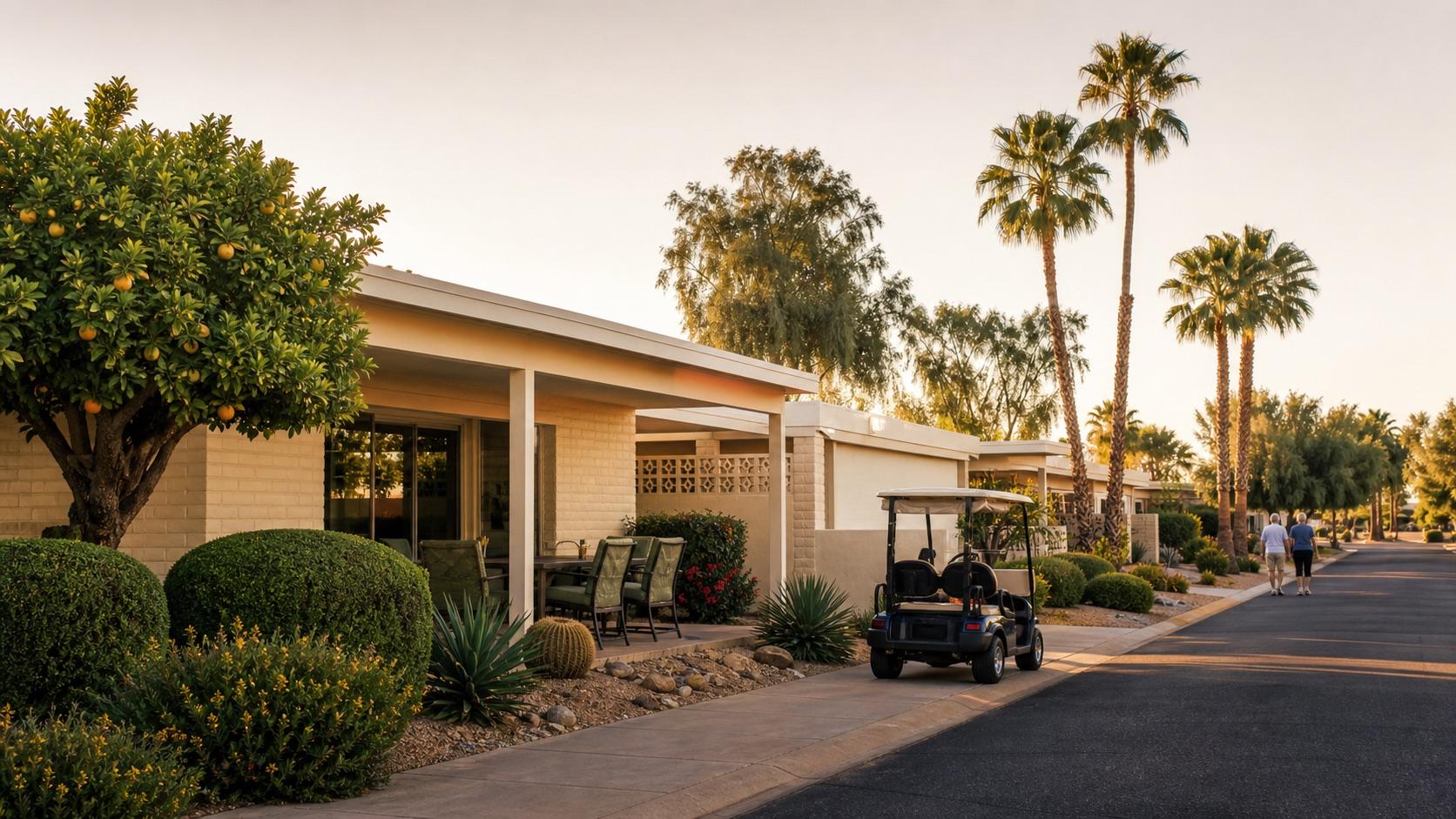
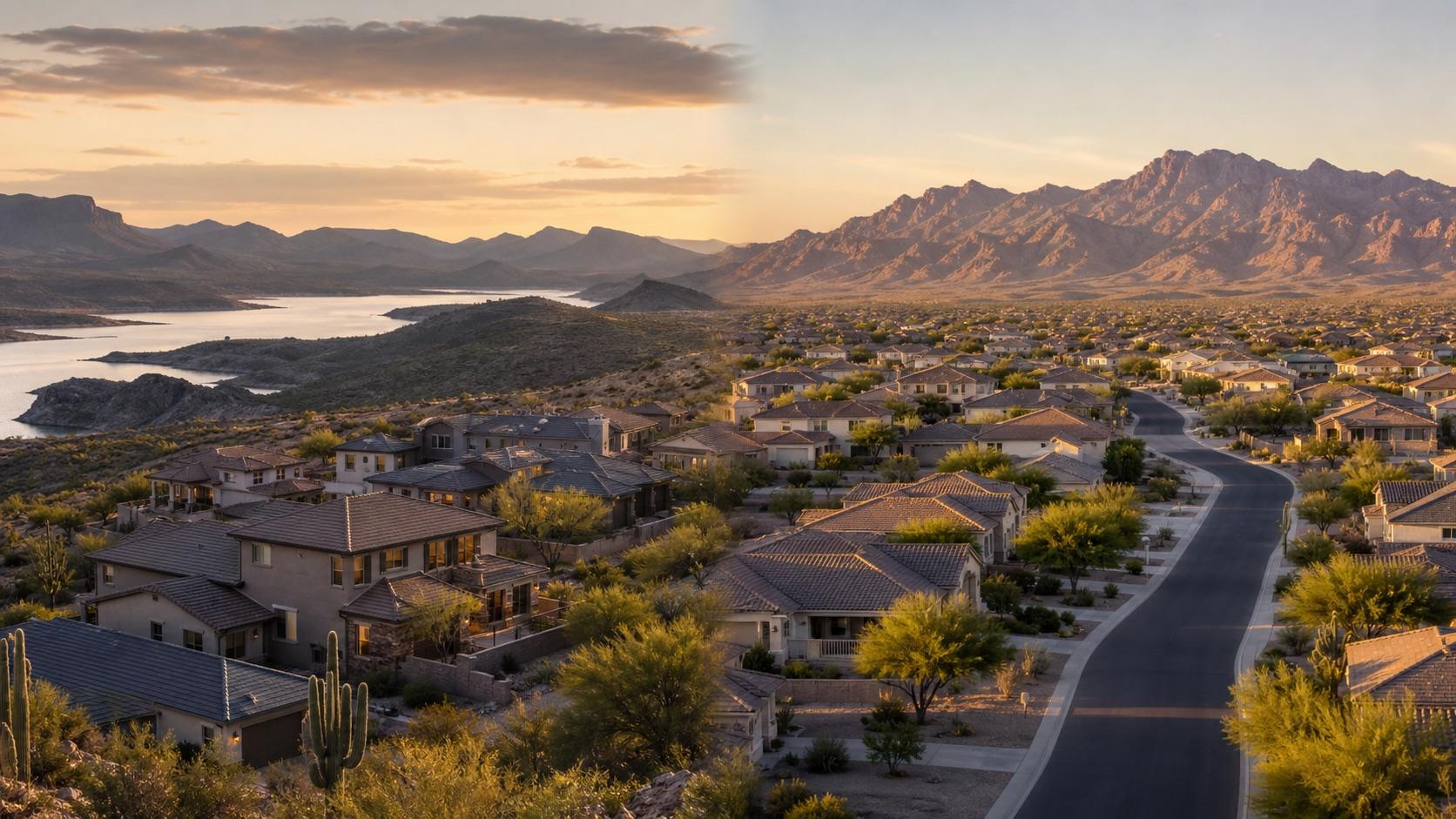
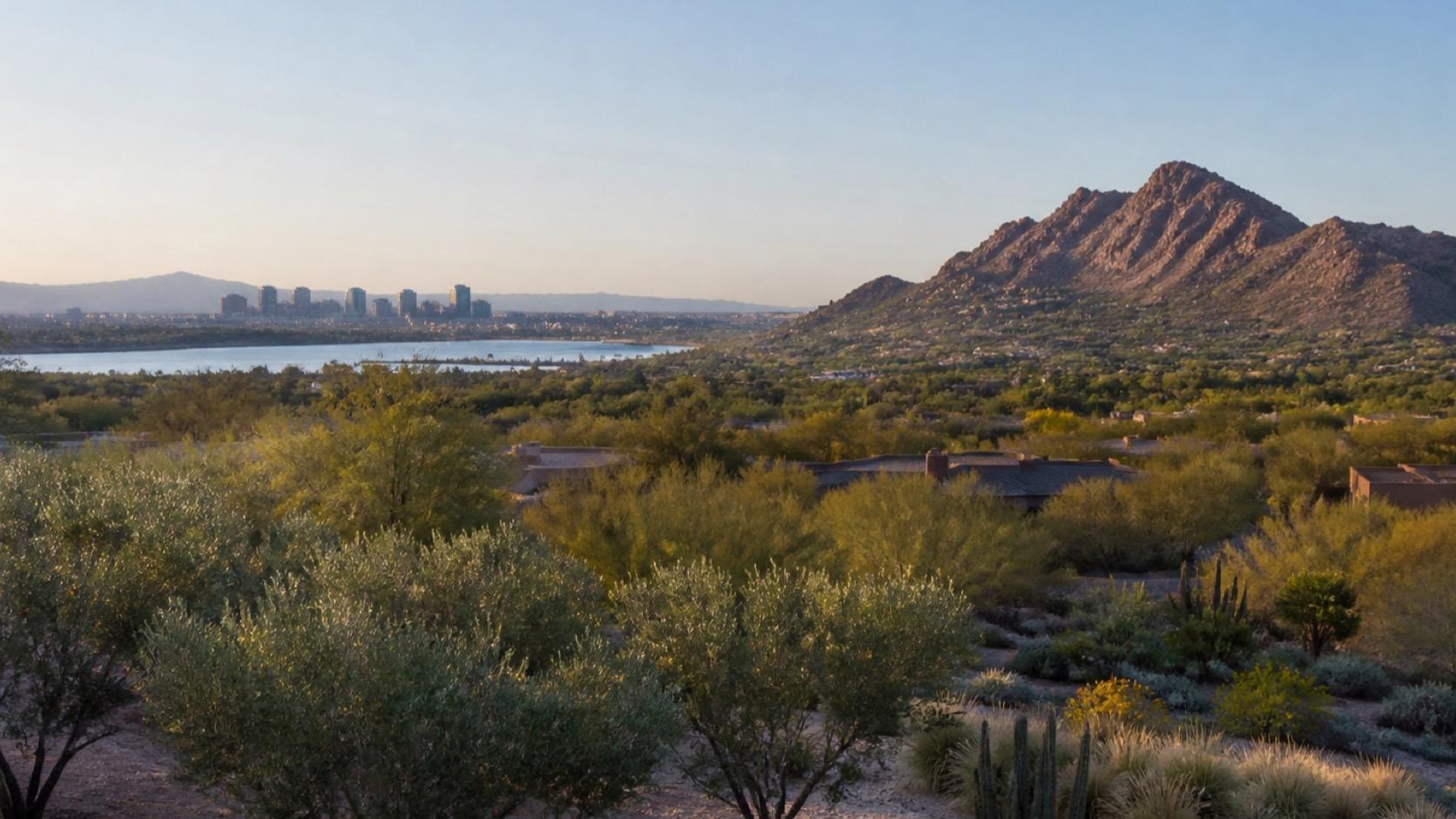
Tempe, Paradise Valley, and Queen Creek are all part of the Greater Phoenix region, but they should not be treated as interchangeable search areas. Tempe is compact and connected to active urban, university, lakefront, and employment districts. Paradise Valley is a low-density residential town set between Phoenix and Scottsdale around prominent mountain terrain. Queen Creek sits in the Southeast Valley, where established rural and equestrian roots meet master-planned growth and active new construction. The useful question is not which one is universally best; it is which location pattern works for the life and property you are planning.
Map the week before comparing homes
Start with exact work, family, healthcare, airport, recreation, and other recurring destinations. Test routes at the times you expect to travel and note where events, university activity, limited mountain routes, road projects, or continued development may affect the trip. Tempe offers multiple freeway and transit connections, but activity can shift traffic patterns. Paradise Valley's terrain and limited through routes make the exact address important. Queen Creek's distance from regional destinations can vary significantly by neighborhood and road access. Avoid relying on one fixed commute estimate.
- Exact origin and destination
- Expected day and time
- Primary and alternate routes
- Current road construction
- Trips you make every week—not only work
Compare the housing—not the city stereotype
Tempe includes established single-family neighborhoods, condominiums, townhomes, and infill development. Paradise Valley is primarily detached custom housing across a wide range of construction eras, renovation levels, topography, and lot settings. Queen Creek includes established homes, newer subdivisions, master-planned communities, larger lots, equestrian-oriented properties, and substantial builder activity. Compare condition, ownership structure, lot, parking, utilities, association or district obligations, insurance, and expected maintenance for each property.
Decide what kind of setting you want to maintain
A setting has practical consequences beyond appearance. A Tempe property near downtown, Arizona State University, or an active corridor may create different parking, event, noise, and association questions than a south Tempe home. A Paradise Valley hillside or mountain-adjacent property can require additional attention to topography, drainage, driveway access, views, and site conditions. A Queen Creek property near open land or a future phase deserves research into planning, roads, utilities, subdivision documents, and adjacent development. The right setting is one whose ongoing responsibilities fit your priorities.
Use recreation and amenities as a personal checklist
Official municipal resources are the strongest starting point for verifying public facilities. Tempe publishes information about its neighborhood and community parks, Tempe Town Lake, recreation centers, and programs. Paradise Valley residents commonly use recreation, shopping, and dining in adjoining Phoenix and Scottsdale, so access should be measured from the property. Queen Creek identifies facilities such as Founders' Park, Mansel Carter Oasis Park, and Horseshoe Park & Equestrian Centre, with San Tan Mountain Regional Park south of town. A long amenity list matters only when it includes places you will actually use.
Treat new construction and redevelopment differently
Queen Creek is the most likely of the three to present a broad subdivision and production-builder search, although availability and phases change. Tempe development is more often infill or attached housing. Paradise Valley construction frequently involves custom homes or redevelopment of existing sites. For any new project, compare the finished cost—not only the advertised base price—and review the contract, lot, options, association and district costs, public report when applicable, future phases, financing tradeoffs, and completion uncertainty.
Build a shortlist Akanksha can make property-specific
Choose the two or three criteria that will drive the decision: route, property type, setting, total cost, maintenance, or timing. Then compare current homes in equivalent search zones using one scorecard. Akanksha can help organize available options and the real-estate process, while lenders, inspectors, title professionals, insurance professionals, attorneys, tax advisers, and municipal departments answer questions within their roles. The result should be a reasoned choice about a particular property—not a generic verdict about an entire city.
Sources and further reading
Primary and authoritative references used to develop and review this guide:
Important context
This general information is not legal, tax, lending, appraisal, inspection, or financial advice. Rules, costs, inventory, and market conditions can change. Verify transaction-specific information with the appropriate licensed or authoritative source.